Saturday, January 25, 2014
Saturn Flextreme Concept 2008


- Saturn Flextreme Concept, 2008
Saturn demonstrates that clean, practical transportation and stunning can go hand-in-hand with the electric-drive Saturn Flextreme concept, introduced at the 2008 North American International Auto Show. Featuring breakthrough E-Flex electric propulsion technology that provides up to 34 miles of all-electric, emissions-free range, as well as a sleek, monocab, the Flextreme looks as clean as it drives.
With multiple aesthetic and functional innovations such as cameras that replace side-view mirrors and unconventional doors that allow easy entry and exit, Flextreme signals that the distinguishing features of Saturns portfolio will continue in future product introductions: striking, European-inspired; and a commitment to providing customers with functional, efficient vehicles that respect the environment.
A collaborative effort between Saturn and GMs European Opel brand, the Flextreme concept was developed to showcase the future design direction of both brands, which share many similar customer traits. This design partnership has resulted in several highly successful production vehicles in the U.S. and Europe such as the Saturn Aura; the Saturn Sky and Opel GT; Saturn Vue and Opel Antara; and the Saturn Astra and Opel Astra. The Flextreme concept debuted as an Opel at the 2007 Frankfurt Auto Show.
The Flextreme also represents Saturns ongoing commitment to deliver vehicles that use less fuel and produce fewer emissions. Unlike conventional vehicles and gas-electric hybrids, the Saturn Flextreme concept features GMs E-Flex System that uses an electric motor powered by a lithium-ion battery to propel it for up to 34 miles of electric-drive-only range. The battery can be recharged at a household outlet in just three hours. On the road, a clean and efficient 1.3L turbo-diesel onboard engine generates additional electricity to replenish the battery and extend the vehicles driving range. Fully charged, the Flextremes 34-mile, all-electric driving range is enough for most daily commuters in the U.S. to travel without using any fuel or emitting any CO 2.
Saturns commitment to innovation and clean transportation is further illustrated by the two high-tech electric Segway® Personal Transporters ingeniously packaged below the Flextremes cargo floor. With a twist of the handlebar-mounted release, the handlebar retracts and rotates downward for easy loading into the rear compartment. Once docked, the batteries of these modified Segways can be charged along with the Flextremes batteries.
Exterior design that dares to be different
The Saturn Flextreme concept highlights the new elements of Saturn design language: more sculpted surfacing molding, clear style elements such as narrow, boomerang-shaped lights and a sloping feature line in the side graphics.
Aerodynamic details and lightweight materials help enhance the fuel savings of the electric-drive system. For example, the bottom edge of the windshield is pulled far forward so that the hood, with its characteristic crease, is very short. The integrated power socket is in the cowl panel.
The front grille and rims are covered by lightweight, polycarbonate transparent trim, which improves aerodynamics while maintaining visual aesthetics. Special light alloy wheels look like conventional wheels, yet are designed to avoid energy-robbing air turbulence.
Like the wheel design, the large, boomerang-like curved front light units are visually deceptive, and continue a theme that began with the Opel GTC Concept at the Geneva Motor Show. The vertically oriented front lights "slice up" the front end in an unusual manner. The LED headlamp unit houses a lightweight crossbeam, fog lamps and air intake for brake cooling, which are comparatively small. The curved rear lights are completely integrated into the tailgate and hidden beneath rear glass. If one of the tailgate doors is opened, an additional parking light switches on so that the Flextreme can be easily seen in the dark.
All windows, including the windshield, are made of lightweight polycarbonate, as is a large part of the roof. The Flextremes panoramic windshield provides a bright and spacious interior and stretches over most of the roof, which is reinforced by a spine-like composite structure that extends to the rear floor.
Innovative doors open up new possibilities
In keeping with Saturns philosophy of challenging conventional thinking, the Flextreme concept design team set out to create a vehicle that combined GMs E-Flex chassis with a body style that is dynamic, yet efficiently makes the best use of space. To do so, it uses the FlexDoors® and FlexLoad® systems, two innovative, customer-focused solutions that enhance the Flextremes functionality.
With the FlexDoors system, access to the rear cargo area is throug h two butterfly-style rear tailgate doors that individually swing open upward along the central axis of the vehicle. This thoughtful feature allows the Flextremes trunk to be accessible from the side when parked tightly against a wall or another vehicle, or when a bicycle rack is fitted on the rear.
The rear doors are another key distinguishing feature of the Flextreme. While the front doors open in the conventional manner, the rear doors are rear-hinged. And as there is no center roof pillar (B-pillar), opening both doors on one side creates a large opening for easy entry. For families, this feature is especially useful when securing child seats and children into the rear seating positions.
High-tech interior features enhance convenience
The FlexLoad underfloor luggage compartment may be the Flextremes most customer-friendly feature. A practical yet flexible stowage option that extends and retracts electronically, it eliminates having to lift luggage up, over and into a trunk. In the Flextreme concept on display, the rechargeable Segway® Personal Transporters are docked in this underfloor luggage compartment.
Also inside the Flextreme concept are honeycomb structures that offer low weight and high rigidity. These functional, geometric structures can be found in the instrument panels lower portion, cabin floor, cargo floor and above the center tunnel where the lithium-ion batteries are located.
The seats use lightweight construction and are anchored to the cars floor by a single track rather than the usual two, creating more foot space in the rear. Refined upholstery gives the seats a light and elegant look, with some parts in fabric/mesh and corners made of especially soft material. The steering wheel hub houses another high-tech feature: a full-size driver air bag packaged with a special vacuum technique that reduces its overall volume.
Large, panoramic, configurable displays are set directly under the windshield. They can show a complete, all-around view of the cars surroundings, using the two side cameras (one front-facing, one rear-facing) that replace the conventional side mirrors. The displays can also show information about vehicle systems such as the audio system, phone and other equipment.
All the right touches
A second display on the center console features touch-screen operation. At the top, the programmable, one-touch buttons are designed like computer shortcuts. They provide easy access to various intuitive menus, including air conditioning, communication/infotainment and navigation functions. The buttons can be freely programmed and adapted to new infotainment systems. Further down is the Flextremes touch-screen drive selector gate, with three driving positions: D, P and R (drive, park and reverse). The gears can also be comfortably selected via touch-screen control.
A clever storage system at the front and back of the center tunnel allows front and rear passengers to stow items such as mobile phones, MP3 players, iPods and PDAs in two drawers. The best part about this system is that the electrical devices can be recharged in the drawers by induction, and Bluetooth-capable systems can transmit their data to the onboard infotainment system.
E-Flex System reduces emissions, trips to the gas station
The Saturn Flextreme concept is part of GMs ongoing commitment to develop vehicles that reduce emissions and the automobiles dependency on petroleum. Unlike conventional vehicles and gas-electric hybrids, GMs E-Flex System uses an electric motor, powered by a lithium-ion battery, to propel the Flextreme for up to 34 miles of all-electric and emissions-free range. The onboard engine creates additional electricity to extend the vehicles driving range to a total of 444 miles (715 km).
GM has initiated production engineering for the E-Flex System. Production timing depends on continued advancement of key enabling technologies; specifically, the development of lithium-ion batteries for hybrid and electric vehicle applications.
While the featured fuel in Saturn Flextreme concept is diesel, GMs E-Flex System has previously been shown in gasoline and hydrogen fuel cell concepts.

BMW Z4 2014 The North American Market In The Spring
In January this year, the Salon International Auto Show in Detroit, the Bavarian automaker BMW Z4 roadster will officially unveil its 2014. In principle, no major changes on the side of the BMW Z4 2014 if not the headlights, front and side vents redesigned, so updates purely aesthetic. We could also add three new paint colors: gray ore, gray and orange valencia glacier.

Mechanicals of BMW Z4 2014
In North America, the German manufacturer always offers a choice of three engines under the hood of the BMW Z4 2014, a 4-cylinder and two 6-cylinder in-line. The base model, the BMW Z4 2014 sDrive28i uses a 4-cylinder engine turbocharged 2-liter dual overhead cam head that develops 240 horsepower at 5500 rpm and produces a torque of 260 lb-ft at 1 250 laps. Two transmissions are available: a manual 6-speed and 8-speed automatic that enable the car to complete the 0 to 100 km / h between 6 and 6.6 seconds and reach a top speed of 240 km / h. Its fuel consumption is 9 liters per 100 kilometers.

In the case of the sDrive35i, we are dealing with a 6-cylinder engine line 3-liter twin-turbo DOHC and generates 300 horsepower at 5800 rpm and a torque of 300 lb-ft at 1400 rpm. Here, you can choose between a 6-speed manual and 7-speed automatic that allow a 0 to 100 km / h in just over 5 seconds and a top speed of 250 km / h. The combined fuel consumption between 11 and 12 liters per 100 kilometers.
Finally, using a version sDrive35is inflated the same mechanics as the sDrive35i. This mechanism develops 335 horsepower at 5900 rpm and generates a torque of 332 lb-ft at 1500 rpm. 0 to 100 km / h in 5 seconds loop, and the maximum speed is limited to 250 km / h.Regarding consumption, it is comparable to the sDrive35i.

Body and interior BMW Z4 2014
The BMW Z4 2014 now offers no fewer than 11 exterior colors, including a set hyper orange (optional with valencia orange) that integrates contrasts of black and orange in the passenger as an example the seats Alcantara leather seams are orange. There are also anthracite accents. The new light-alloy wheels are 18 inches.
There are also sports seats in BMW Z4 2014, steering wheel and gear shift lever leather, xenon headlights, automatic climate control, tires with reinforced sidewalls and a verification system tire pressure.
The BMW Z4 2014 will make its debut in the market during its debut at the Detroit Auto Show in January. It will be marketed in North America during the first quarter of the year.
BMW Z4 2014 News 

BMW Z4 2014: The North American Market In The Spring
Friday, January 24, 2014
2011 Land Rover DC100 Defender Concept
2011 Land Rover DC100 Defender Concept - 2011 Land Rover DC100 Defender Concept is still the best car in the area of car for all-utility use. This appreciation is given by the fact that this car is absolutely adjustable and suitable to be used in all off-road condition you know. There are several things which are best of this car product including the engine performance and stability of the transmission and steering system. It is why this car is always the first row in presenting good performance in extreme road condition.
2011 Land Rover DC100 Defender Concept is also called as DC100 version. This latest and sophisticated off-road vehicle is perfectly upgraded to boost the engine performance while the design is remodeled to look more adjustable with surroundings. Wholly, the SUV design which is usually seen from the first emersion will not be changed. But, it will be perfected with the use of advance parts from aerospace field.
The best is that you can choose each of two latest versions of 2011 Land Rover DC100 Defender Concept in the next launch – diesel engine version and hybrid version. To maintain the first place of all-utility vehicle, this car provides eight-speed gearbox and an Intelligent Start Stop system for great security and balance.
source : http://deadlycar.com/2011-land-rover-dc100-defender-concept
[ Read More.. ]
2011 Land Rover DC100 Defender Concept is also called as DC100 version. This latest and sophisticated off-road vehicle is perfectly upgraded to boost the engine performance while the design is remodeled to look more adjustable with surroundings. Wholly, the SUV design which is usually seen from the first emersion will not be changed. But, it will be perfected with the use of advance parts from aerospace field.
The best is that you can choose each of two latest versions of 2011 Land Rover DC100 Defender Concept in the next launch – diesel engine version and hybrid version. To maintain the first place of all-utility vehicle, this car provides eight-speed gearbox and an Intelligent Start Stop system for great security and balance.
source : http://deadlycar.com/2011-land-rover-dc100-defender-concept
2012 Mercedes Benz C Class – Reviews And Ratings
 The 2012 Mercedes-Benz C-Class is the latest version of 2012 MERCEDES. 2012 Mercedes-Benz C-Class will expose its latest model named as 2012 C-CLASS sedan. 2012 Mercedes-Benz C-Class will suggest a C-Class Coupe as well 2012 Mercedes-Benz C-Class gets a very modest face-lift for the latest model year.
 The 2012 Mercedes-Benz C-Class is a 108.7-inch wheelbase is the same to the C-Class sedan and E-Class Coupe. The 2012 Mercedes-Benz C-Class engineering hardware isnt severely dissimilar.2012 Mercedes-Benz C-Class sedan has a biturbo direct-injection inline-four-cylinder engine to its lineup.
  2012 Mercedes-Benz C-Class has a 228-horspower, 221-pound-foot V-6 will be in the C300 4matic and range topping C350 will get a new 300-horspower,273-pound-foot, direct-injection V6. The 2012 Mercedes-Benz C-Class is a latest two-door C-Class holds the same 16.8 cubic feet as the four-door model. the C250 with 201 horsepower and has 229 pound-feet of torque in the entry-level. We got our first up close and personal look at the 2012 Mercedes-Benz C-Class including the wagon version at a dinner last night.
Thursday, January 23, 2014
Pagani Huayra 2012


- Pagani Huayra, 2012
The eternity of the element air. Gentle and ined, yet the strength of the wind it is able to erode even the toughest of materials giving birth to distinctive shapes known in nature. Elegant and muscular the Pagani Huayra merges the past, present and future in a timeless interpretation of automotive art.
The styling of the car was perfected over the course of 5 years to find each lines beginning and end. During this study, eight scale models were created, as well as two 1:1 models, each an evolution of the previous in a never ending quest to perfect the form and ining the substance.
The bi-xenon headlamps are just one of the many precious gifts from the Zonda R, and LED daytime running lights are seamlessly integrated in the elliptical shape of the design. The rear bumper integrates with the diffuser and is dominated by an elliptical frame that surrounds the four central exhaust outlets, now becoming a characteristic Pagani element.
Backbone
The new central monocoque on the Pagani Huayra is an entirely new design made from carbontitanium. However, with the gull wing doors cutting deep into the roof, much research was focused on achieving the highest levels of rigidity through the application of new advanced composite materials and technologies first tested on the Zonda R. The fuel tank is located integrally in the best protected area of the monocoque, behind the driver, reinforced by safety cell made of different composite and ballistic materials. The front and rear CrMo subframes offer an exceptional rigidity-to-weight ratio to allowing the suspensions to work at their best while incorporating an advanced energy absorbing crash structure, ready to protect the occupants in the unlikely event of an impact.
The never ending quest for weight reduction resulted also into the combination of structural and non-structural or aesthetical elements. An example is the integration of all ventilation air ducts into the monocoques structure, making the use of additional parts and ducts unnecessary.
The result of this attention to detail is a vehicle weighing 1.350 kg making the Pagani Huayra the lightest sportscar in its class.
Heart
Mercedes-AMG provides the heart for the Pagani Huayra. The 60 degree 12 cylinder turbocharged engine with a displacement of 5980 cm3 has been developed not just to meet the strictest technical and quality requirements, but also to give the car its many faces.
The calm and harmony of driving one of the worlds most ined GT car is interrupted when the driver calls upon the Pagani Huayra to unleash its 700 horsepower and 1000 Nm of torque. The turbos have been studied to offer immediate response to the slightest throttle input, giving the driver full control over the engine at any rpm and preventing unwanted delays in the delivery of power.
The engines systems have been designed and tested to stand up to the most adverse conditions of temperature and performance. The Pagani Huayra has been subjected to the highs of Death Valley and the lows of the Arctic Circle. The two lateral radiators are positioned in the front to guarantee the best cooling efficiency of the intercoolers placed over the cylinder heads. Dry sump lubrication ensures an optimal oil feed to the engine even when the car is subjected to the most extreme lateral accelerations. It also regulates the oil flow so that only the necessary amount of lubricant is actually pumped into the engine from the external oil tank, reducing the friction caused by an excessive volume of lubricant inside the engine sump. An oil/water heat exchanger reduces warm-up times by heating the engine lubricant during cold start and keeps engine coolant and lubricant levels at steady operational temperatures. Extensive weight saving programs led to ingenious yet simple solutions. In order to reduce hoses and connections as much as possible is built directly to the engine. The intercooler covers serve as expansion tanks to the low temperature circuit and the engine coolant circuit. The vertical fins contribute to the cooling of the tanks.
The M158 engine is homologated to meet the strictest environmental regulations, EU5 and LEV2. Despite the increase of power compared to the other Mercedes-AMG V12 engines developed for Pagani, CO2 emissions as well as the fuel consumption have been reduced, to make the Pagani Huayra class leading amongst 12 cylinder sports cars with values that are respective of much smaller vehicles in the market. The two stage fuel supply system features two microprocessor controlled pumps feeding fuel to the engine with the second pump only activated when necessary, thus reducing the energy required to run the fuel pumps and eliminates the waste of excessive fuel being transported and heated in the fuel lines. This efficiency combined with a large 85 liter fuel tank ensure Pagani Huayras grand touring ability.
As an homage to the decennial tradition of Mercedes-AMG in building world class sports car engines, the M158 displays the historic AMG emblem on the intake manifold alongside the name of the technician that assembled the engine by hand at the Mercedes-AMG headquarters in Affalterbach, Germany.
The Titanium exhaust system has been engineered by MHG-Fahrzeugtechnik and is a direct application of race proven technologies on a high performance road car and the complete exhaust weighs less than 10 kg. Hydroformed junctions are used to reduce backpressure and guarantee a free flow of the exhaust gasses. Titanium guarantees a low weight in the muffler area while Inconel guarantees reliability on the parts of the exhaust more exposed to high temperatures. Caul attention has been paid to the tuning of its sound, which has led to a harmonic rumble at idle speeds with a hint of the power that lies hidden at low speed and a deep thunderous growl of motor and air, reminiscent of an airplane, at high speeds.
Feet
The power and prodigious torque generated by Pagani Huayras V12 are transferred to the wheels through a transverse sequential seven speed gearbox and a dual plate clutch and the complete gearbox weighs only 96 kg. Keeping the weight of the rear overhang as low as possible has been a priority as we aim for a neutral behavior at the limit. A further benefit of this layout is a better behavior of the car during a rear impact. A dual clutch system was evaluated but ultimately not selected as it would have increased the weight by approximately 70kg, thus negating any minor improvement in shift-time.
Xtrac already supplied the gearbox for the Zonda R and so it was the natural choice for the development of a new high performance gearbox. Xtracs expertise in motorsports was obvious throughout the design and material selection processes that resulted in the strongest and lightest gearbox possible suitable for road use, with a synchromesh box that offers comfort levels a race car gearbox will never be able to offer.
The suspension geometry has been designed to further enhance the sure-footed nature already present in the Zonda on the longer wheelbase Pagani Huayra. The individual suspension made with forged AvionAl double A-arms have been tested extensively on the Zonda R programme. Incorporated into the wheel hub assemblies are cooling ducts that connect directly to the support brackets, thus extending the reliability and lifespan of the bearings. Pushrod operated adjustable Öhlins shock absorbers keep everything under control and have been optimized for the dynamic requirements of the vehicle.
Skin
The aerodynamic concept of the Pagani Huayra is that of a wing. The vehicle can modify the properties of this wing by varying the front ride height, which can be adjusted dynamically, and by adjusting the 4 control flaps on each of the four corners of the car. The goal is to have a neutral vehicle behavior under all conditions and control body roll via aerodynamic means. The behavior of the flaps is managed by a dedicated control unit that is fed information from the ABS and ECU, which pass information about the cars speed, yaw rate, lateral acceleration, steering angle and throttle position.
The system improves aerodynamic efficiency in a variety of driving conditions, where a low drag coefficient is not the determining factor. During braking, for example, the rear flaps and the front suspension are raised to counteract the weight transfer and balance the weight distribution between front and rear axles, allowing a better use of the rear brake force.
Another vital design tenant for the Huayra project was to ensure clean airflow over the body of the car. The shape of the two engine air intakes behind the occupants shoulders are a tribute to the supersonic aircraft of the late 1950s and 1960s, but also allow the motor breath without disrupting the flow. The intake for the gearbox radiator is located between the engine bay window and the carbon clamshell of the rear bonnet, which provides an excellent airflow to the radiator without having a substantial impact on aerodynamic drag. This decision also led to the omission of a rear wing, replaced by the movable flaps.
The flow of air through the car was also caully studied. The radiators are angled to contribute downforce and provide the best flow for hot air to be extracted. Air from the central radiator is extracted by vents on the front bonnet and trough the front wheelhouses. Air from the side radiators is channeled to ducts cooling the brake discs and wheel hubs. This air blows onto the brakes at a temperature of approximately 50°C warming the brakes up when cold and improving the first bite significantly. Lateral air outlets behind the front wheels generate a negative pressure inside the wheelhouse providing efficient extraction to lower the drag coefficient and generate downforce on the front.
In addition to the downforce generated by the flaps and body, two high negative pressure areas were designed into the shape of the underbody and the diffuser at the rear, thus enhancing the aerodynamic stability and guaranteeing the Pagani Huayra downforce under all circumstances.
Man-machine
As soon as the doors are closed the Pagani Huayra transports the occupants to a new dimension; a world that pleases and surprises the senses. Having everything at arms length is not close enough for a vehicle with the capabilities of the Pagani Huayra. Consequently, the driver will find all primary functions directly on the steering wheel. The gearshift paddles are mounted directly to the steering wheel so the driver never needs to take his hands off the steering wheel. The seats provide both the comfort to make long trips enjoyable as well as the lateral support required when the g-forces build up on extreme driving.
A Pagani is able to present drivers with state of the art solutions while still drawing on the rich history that precedes it. The ever present emphasis is on a living breathing being rather than a digital one. This can be seen in everything from the leather latches to the toggle switches, but this ethos finds its purest expression in the mechanical aluminum gearlever assembly, a monument to the art of the manual gearshift; progress that does not deny the past. The aluminum dashboard takes inspiration from the most complex swiss watch designs and includes a central Multi-Function Display displaying performance relevant information when SPORT mode is engaged and a trip computer when the CsayaFORT mode is activated. The aluminum center console is machined from one solid block of aluminum and features a clarinet style array of mechanical switches controlling the HVAC system. The high definition central touchscreen is the heart of the vehicle infotainment system, controlling audio functions, satellite navigation, secondary vehicle functions and Bluetooth phone.
On the road
To this date five prototypes have been built which have been conducting road tests for the past 4 years. Currently, over half a million kilometers have been covered by our prototypes and before entering the US market we will have reached one million test kilometers.
Each prototype has been assigned to a specific development task. At Mercedes-AMG one is used to develop drivability, and another is used for emission development. One car is operated constantly by Bosch Engineering for the application of ABS and advanced stability and performance enhancement systems. Still another vehicle is used for gearbox testing, and general vehicle dynamics development.
Safety
The car complies to the strictest European and American standards in term of safety and pollution regulations. Several studies were conducted to determine the most frequent types of crashes involving high performance cars. The results of these studies have let us to develop specific safety measures not required by law but to guarantee an enhanced protection for the occupants. Several cars have been used to perform these tests.
Legend
Ancient legends of the Aymara tell us of Huayra Tata, god of wind, who commands the breezes, winds, and blizzards that invade the mountains, cliffs and hills of the Andean highlands. It is told that Huayra Tata resides deep in the high peaks and valleys, abandoning them only to demonstrate his power to his wife, Pachamama, goddess of mother earth. With his power Huayra Tata was able to lift the waters from lake Titicaca and rain them down on the fertile Pachamama. When Huayra Tata sleeps, the waters and rivers lay quiet. But the calm before the storm is about to be interrupted...
Pagani Huayra Technical Specifications
Engine: Mercedes-AMG M158 V12 twin-Turbo
Displacement: 5980 cc
Power: >700 CV
Torque: >1.000 Nm
Gearbox: transverse sequential seven speed gearbox; AMT robotyzed system with driving programs
Dimensions
Length: 4605mm
Height: 1169mm
Body width: 2036mm
Body width (with mirrors): 2356mm
Dry weight: 1.350 kg
Weight distribution
Front: 44%
Rear: 56%
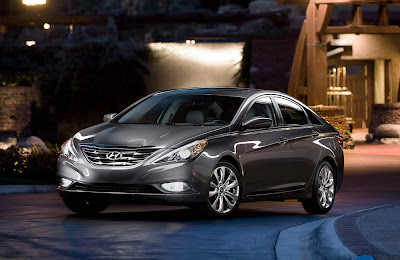
2012 Hyundai Sonata Review Owners Manual
 |
| 2012 Hyundai Sonata Review & Owners Manual |
The Hyundai Sonata is a four-door, five-passenger automobile that has an recognized popularity for being well developed and fantastic value for money. The Sonata functions a fashionable coupe-like external and contemporary inner.
The front-wheel generate Hyundai Sonata is provided in five decrease levels: GLS, SE, SE 2.0T, Restricted, and Restricted 2.0T. The GLS and Restricted are handled by a 198-hp 2.4-liter power direct-injection four-cylinder engine. The SE functions dual-exhaust which improves the engine outcome to 200 power using the same 2.4-liter power immediate taken four-cylinder engine. The SE 2.0T and Restricted 2.0T operate a 274-hp 2.0-liter turbocharged power immediate taken four-cylinder engine. Traditional indication with the GLS decrease is a six-speed information, all other decreases use a six-speed automated with SHIFTRONIC. Traditional functions contain Engine Motivated Power Guiding (MDPS), ac, satellite tv tv tv applications, USB and additional opinions spots, tilt/telescoping rim with audio and holiday manages, and Azure weblink. Traditional measures contain electronic stability and keep control, avoiding process guide, six-airbags, occupancy category indication, and powerful front part side part head limitations.
For 2012, a new conventional Azure weblink infotainment program is a significant inclusion. Also, there is a new three-piece awesome sunroof conventional on both Restricted decreases. Finally, the suggested direction-finding program has been improved with a larger display, which functions HD applications technological innovation, and a returning copy photographic electronic camera.
Wednesday, January 22, 2014
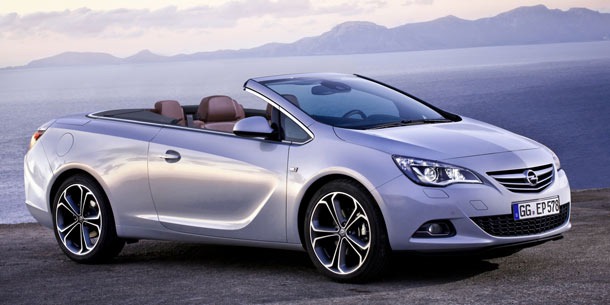
Opel Astra Convertible
The Compact will open at the start of 2013 is not longer called Astra. The next Cabriolet Opel Astra will be no - at least not in name. The Opel Astra convertible, which comes on the market as soon as 2013. The open compact but still based on the Astra, but will be positioned higher.
Cloth cap
Unlike the metal folding mechanism of its predecessor "TwinTop" is likely to top the new model consists of several layers of fabric and completely disappear automatically in the top compartment. VW uses the Golf convertible, which has recently become available as a GTI version, light also has a cloth cap.
Astra Facelift
As previously reported, the current Opel Astra models just got a facelift: Improved electronic systems such as adaptive headlights and radar cruise control can catch the car in the compact class. Visually and technically drive changes in the current facelift however, not much. For the first time there will be a fall from Astra sedan.
[ Read More.. ]
 |
| 2013 opel astra convertible |
Cloth cap
Unlike the metal folding mechanism of its predecessor "TwinTop" is likely to top the new model consists of several layers of fabric and completely disappear automatically in the top compartment. VW uses the Golf convertible, which has recently become available as a GTI version, light also has a cloth cap.
Astra Facelift
As previously reported, the current Opel Astra models just got a facelift: Improved electronic systems such as adaptive headlights and radar cruise control can catch the car in the compact class. Visually and technically drive changes in the current facelift however, not much. For the first time there will be a fall from Astra sedan.
Subscribe to:
Posts (Atom)